Is Your Parent’s House a Trap? How to Spot Hidden Fall Risks Before They Do
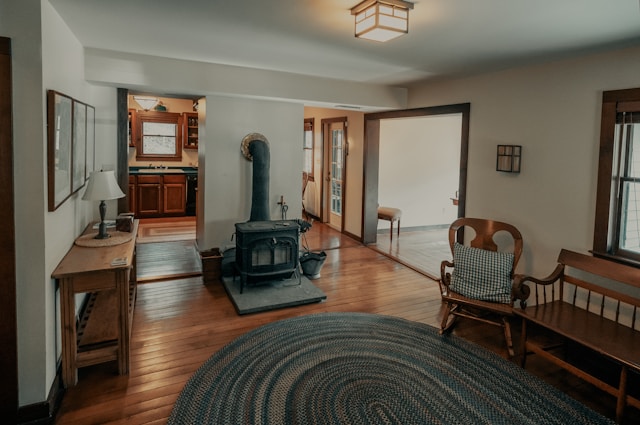
I was visiting an elderly patient last Tuesday—let’s call him Mr. Henderson—and as I walked into his living room, my eyes immediately went to a beautiful, thick Persian rug right in the middle of the floor. It looked lovely. It also looked like a giant tripwire waiting to happen.
When you’re an adult child looking after a parent, you tend to see “home.” You see memories, cozy corners, and the way they’ve lived for forty years. But when I walk into a house, I see “hazards.” It sounds harsh, I know. But after eighteen years of seeing much too many hip fractures and head injuries, I can’t help it.
The goal isn’t to strip away their independence or turn their sanctuary into a sterile hospital wing. It’s about making sure they can stay there safely for as long as possible. Let’s walk through how you can do a bit of your own “safety audit” without making them feel like you’re trying to take over their lives.
Looking at the world through different eyes
The first step is actually pretty simple, though it feels a bit strange. You need to conduct a safety audit. But don’t just walk through the rooms like you’re checking for dust. You have to look for what I call “the invisible obstacles.”
Try sitting in the chair where they usually sit. Get down at their eye level. Are there shadows stretching across the floor from a poorly placed lamp? Is there a stack of old newspapers on the coffee table that they might reach for and accidentally pull toward them?
And here’s a tip: look at the floor from a low angle. If you have a pet—and I know, most of us do—watch where the dog leaves its water bowl or where the leash tends to tangle. Those little things are exactly what cause someone to lose their footing when they’re already dealing with things like balance issues from medication changes or even just general age-related decline.
The Bathroom Blueprint: Where the real danger hides
If you want to know where most falls happen, look no further than the bathroom. It is predictably the most dangerous room in the house. Between the steam, the slick tiles, and the physical effort required for hygiene, it’s a high-risk zone.
When I talk about “upgrades,” I’m not talking about a full remodel—though if you have the budget, go for it. I’m talking about practical changes. First and foremost: grab bars. And please, I am begging you, do not rely on those suction-cup versions you see in drugstores. I’ve seen them fail mid-transfer, and the results are heartbreaking. They need to be anchored into the wall studs.
Also, consider a shower chair. It might feel like a blow to their dignity at first—it’s a tough conversation to have, believe me—but being able to sit while washing prevents that sudden bout of dizziness (orthostatic hypotension) that can happen when someone stands too long, especially if they are on blood pressure medication. A sturdy shower chair and some non-slip mats are non-negotiable.
Lighting and Visibility: Chasing away the shadows
As we age, our eyes don’t work quite like they used to. It’s not just about needing reading glasses; it’s about how much light is actually hitting the floor. Shadows can look like holes or uneven steps, which leads to hesitation and, eventually, stumbles.
You want to eliminate dark corners. This means adding motion-sensor nightlights in the hallway between the bedroom and the bathroom. It sounds like a small thing, but being able to navigate a path without fumbling for a light switch can prevent a midnight disaster. If they have a particularly dim room, consider some simple, battery-operated LED puck lights. They’re cheap, easy to stick on, and they work.
Managing the “Tripwire” zones
Let’s talk about those rugs again. I know, it’s hard. Those area rugs are part of the decor. But if a rug is loose or has curled edges, it’s a hazard. You can use heavy-duty double-sided tape to secure them, or honestly? Sometimes the safest move is just to take them up.
Beyond rugs, look at the pathways. Are there electrical cords running across the floor? Is there a clutter of shoes near the entryway? I once worked with a family where the “clutter” was actually just a collection of mail and magazines that had accumulated over months. It wasn’t much, but in a moment of confusion—maybe triggered by a mild UTI, which, by the way, can cause sudden confusion in seniors—that clutter becomes a mountain.
Thinking ahead: The long-term view
Finally, we have to look at the bigger picture. This is the part that most people want to avoid talking about because it feels so permanent.
Look at the stairs. Are there sturdy handrails on both sides? Is the lighting bright enough to see every single step clearly? If the house has multiple levels and they are starting to struggle, you might eventually need to talk about moving a bedroom to the main floor. It’s a heavy topic. I’ve sat in many living rooms where the air gets very thick when this is brought up.
And don’t overlook technology. We often think of “smart homes” as something for tech enthusiasts, but things like voice-activated lights or even simple smart doorbells can be lifesavers. If someone falls and can’t reach their phone, being able to yell, “Alexa, call my daughter,” is a game changer.
Making these changes isn’t about taking away their freedom. It’s about building a safety net so they can keep enjoying the home they love, on their own terms, for as long as possible.
Home Safety, Elder Care, Fall Prevention, Aging in Place